

Cash is an asset, and a credit to Cash signifies a reduction in that asset. Therefore, the initial accounting entry is a debit to Prepaid Rent and a credit to Cash. The ultimate question of whether prepaid rent is a debit or a credit depends entirely on the specific stage of the transaction.
What is the difference between a surcharge and a convenience fee?
- Discover the best real estate software with integrated accounting in 2026.
- The accounting for prepaid rent involves making a journal entry that debits the prepaid rent asset account and credits cash or bank.
- Going forward, a monthly entry will be booked to reduce the prepaid expense account and record rent expense.
- The ultimate question of whether prepaid rent is a debit or a credit depends entirely on the specific stage of the transaction.
- Flex reports your payment history to TransUnion, so late or missed payments will negatively affect your credit score.
- Once you start using the space (and making the most of that stylish drop ceiling), the prepaid rent begins to transform.
- This treatment ensures that financial statements accurately represent ongoing obligations and income.
The amount recognized as an expense corresponds to the prepayment portion utilized during the specific period. The treatment of deferred and prepaid rent differs in recognition and presentation. The landlord receives the payment before the corresponding rental period.
Record the adjusting entry for salaries and wages expense.

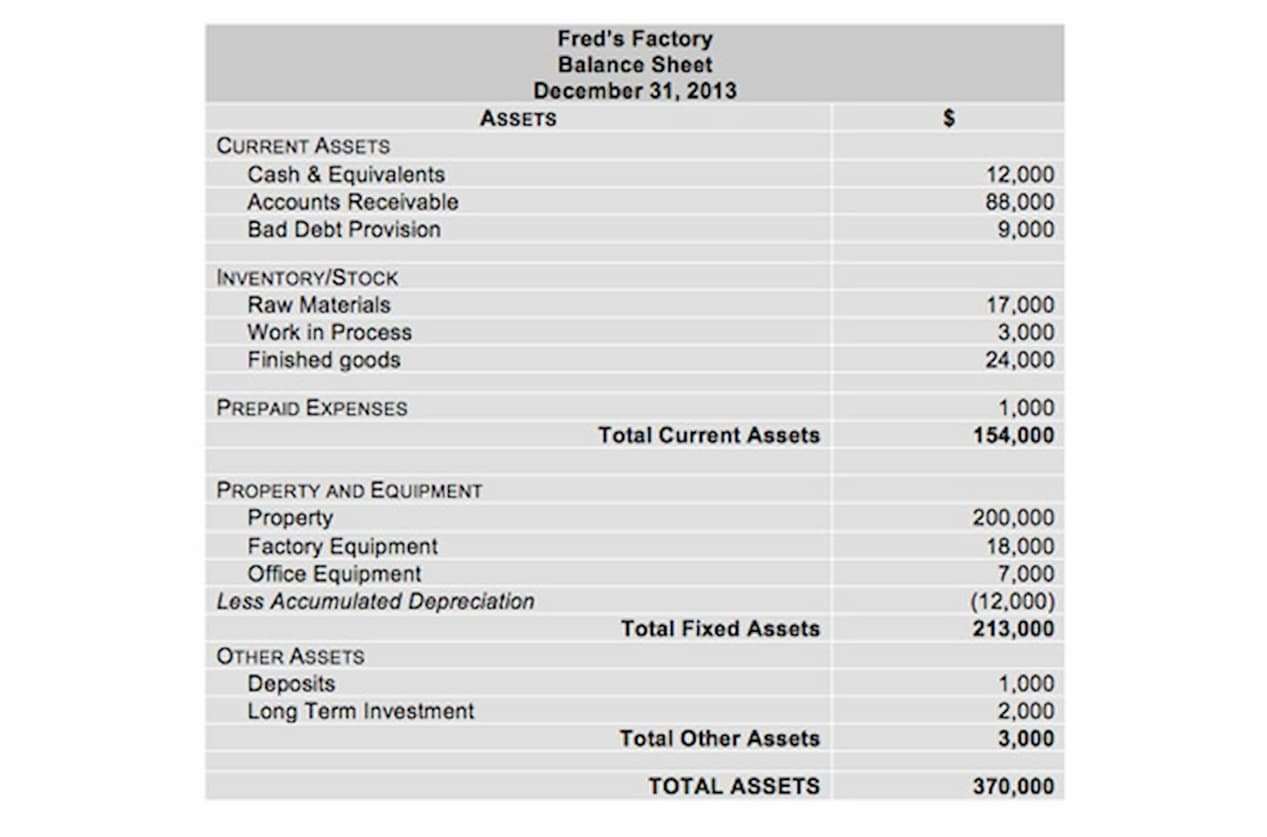
It can sometimes be bucketed with other current assets like in the example below for PepsiCo’s balance sheet. To learn more about PepsiCo’s financial statements, you can click here. The classification of prepaid insurance as a current asset is a cornerstone of accrual accounting. Recent updates to lease accounting, including new standards ASC 842, IFRS 16, GASB 87, SFFAS 54, and FRS 102 have changed the accounting treatment for some types of leasing arrangements. In short, organizations will now have to record both an asset and a liability for their operating leases. Under the old lease accounting rules, the cash payments for operating leases were recorded as rent expense in the period incurred and no impact is prepaid rent credit or debit to the balance sheet was recognized.
Record the adjusting entry for interest expense.
- A Likert scale is a common survey response format used to measure attitudes, opinions, or beliefs of individuals.
- This entire mechanism functions as a critical tool for expense deferral.
- Usually, the current assets include items that can be converted into cash within 12 months.
- A full example with journal entries of accounting for an operating lease under ASC 842 can be found here.
- Additionally, at the time of transition to ASC 842, any outstanding prepaid rent amounts would be included in the calculation of the appropriate ROU asset.
- These distinctions are crucial for accurately reflecting a company’s financial position and ensuring that rent-related transactions are appropriately recorded.
- When Lower-of-Cost-or-Market is used, the targeted market value equals the average of the replacement cost, net realizable value, and net realizable value less a typical profit margin.
We know that prepaid rent represents the amount of expense that will Purchases Journal be due in future periods. It includes cash, cash equivalents, prepaid items, and receivables. Usually, the current assets include items that can be converted into cash within 12 months.
Modify Rental Details
The accounting for prepaid rent involves making a journal entry that debits the prepaid rent asset account and credits cash or bank. As the rental period progresses, an adjusting entry is made to amortize the prepaid rent. In terms of journal entries, the initial payment for prepaid rent is recorded as a to the prepaid rent asset account and a credit to the cash account. As time passes and the rent is actually incurred, the prepaid rent account is debited and the rent expense account is credited. The application of the Matching Principle dictates that expenses must be recognized in the same period as the revenues they helped generate. Prepaid insurance represents a deferred expense—an expenditure paid in advance that benefits future periods.
Judgments include a collection cost and interest charges calculated on the judgment balance. No, ATM AMC is not always compulsory, as depneding on the bank policies, some bank does not levy any ATM AMC charges on certain types of ATM https://solologoindonesia.com/2021/04/02/restaurant-accounting-the-essential-guide-sage/ cards. Use cash where you can The easiest way to avoid card surcharges is to pay by cash.

How to build credit for the first time
We’ve covered the asset classification and the lifecycle, but many readers still have specific questions about the practical application. Here are the top queries about prepaid insurance, straight from the accounting desk. Specifically, the temporary existence of prepaid insurance impacts liquidity metrics, especially upon initial payment. The purchase of an insurance policy covering a future period triggers the first essential step in the Double-Entry Accounting system.
